

Research Overview
How do organisms move through landscapes of invisible and dynamic energy? Is it more energetically efficient to move through the unpredictable as a group?
Our research aims to understand how animals detect, interpret, and exploit environmental energy to move efficiently through the world. In particular, we study how individuals can improve their movement decisions by observing the locomotion of others. The visible patterns of movement performed by animals reflect the energetic conditions they experience, creating opportunities for social sampling of environmental energy. Through this process, individuals may gain up-to-date information about dynamic conditions and reduce uncertainty when making movement decisions.
The group combines behavioural ecology, physics, and information theory to build a new predictive framework for movement behaviour. Our long-term goal is to develop Optimal Movement Theory (OMT)—a unifying theoretical framework that predicts where and when organisms should move by integrating multiple energy currencies. In this framework, the probability of a movement decision emerges from the expected energetic gain available in the environment, balanced against the mechanical cost of locomotion and the individual’s internal state. By integrating empirical biologging data, field systems, and computational modelling, our work aims to move beyond describing movement patterns toward predicting movement decisions across species and environments.
Optimal Movement Theory
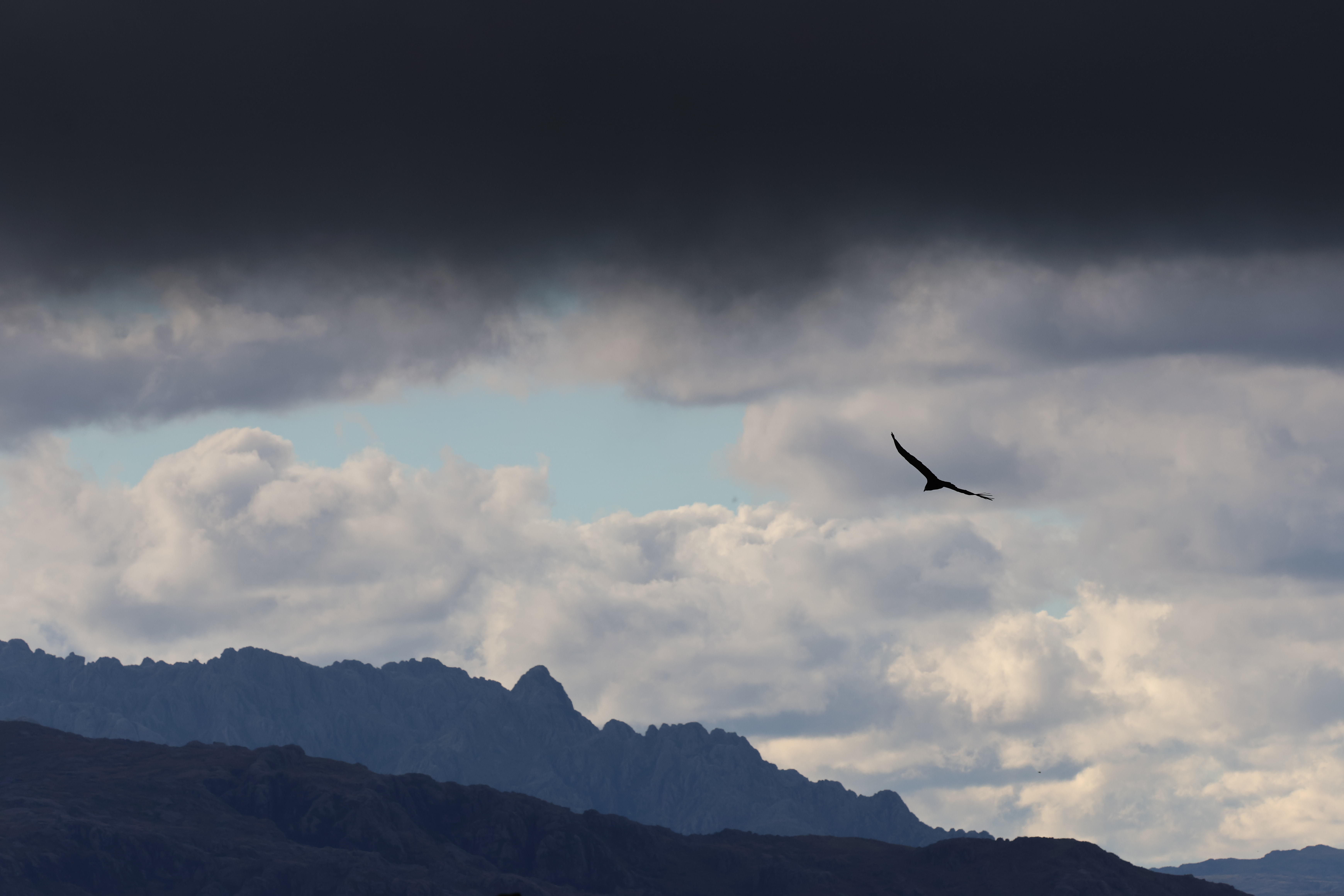
Movement is rarely about distance alone — it is about energy. We are developing Optimal Movement Theory as a predictive framework in which the probability of any movement decision emerges from the expected energetic gain in the environment, weighed against the mechanical cost of locomotion and the animal’s internal state. By treating these as common, convertible currencies, OMT aims to explain not just how animals move, but why they choose one option over another — and to make those choices predictable across very different species and landscapes.
Collective Sensing of Flows
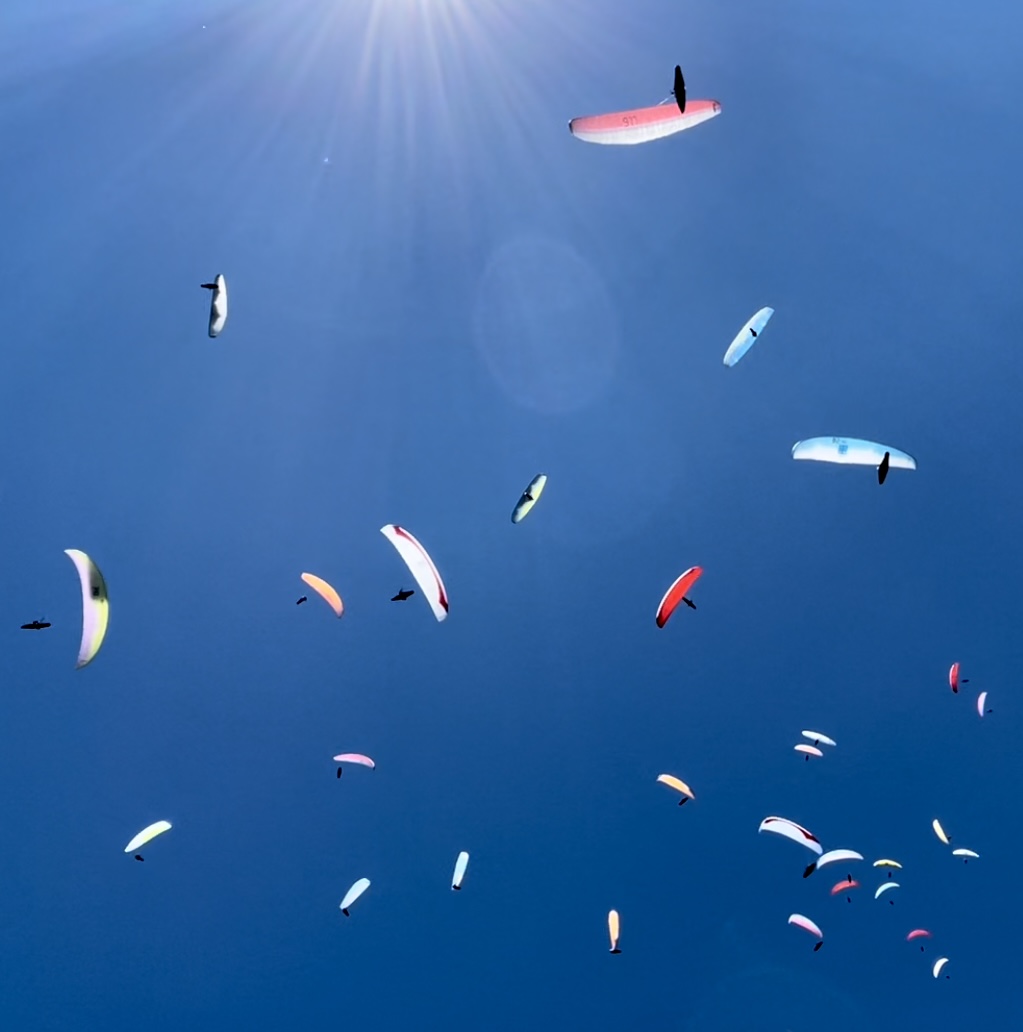
The energy that soaring animals depend on — thermals, updrafts, the structure of moving air — is invisible and constantly shifting. No individual can sense all of it at once, but a group can. We study collective sensing: how individuals read the movements of others to locate energy they could not detect alone, effectively sampling the environment through their neighbours. Soaring birds and competitive paraglider pilots both exploit this, climbing on cues from those who found the lift first, and it raises sharp questions about when to share, when to follow, and when to go it alone.
Bio-logging
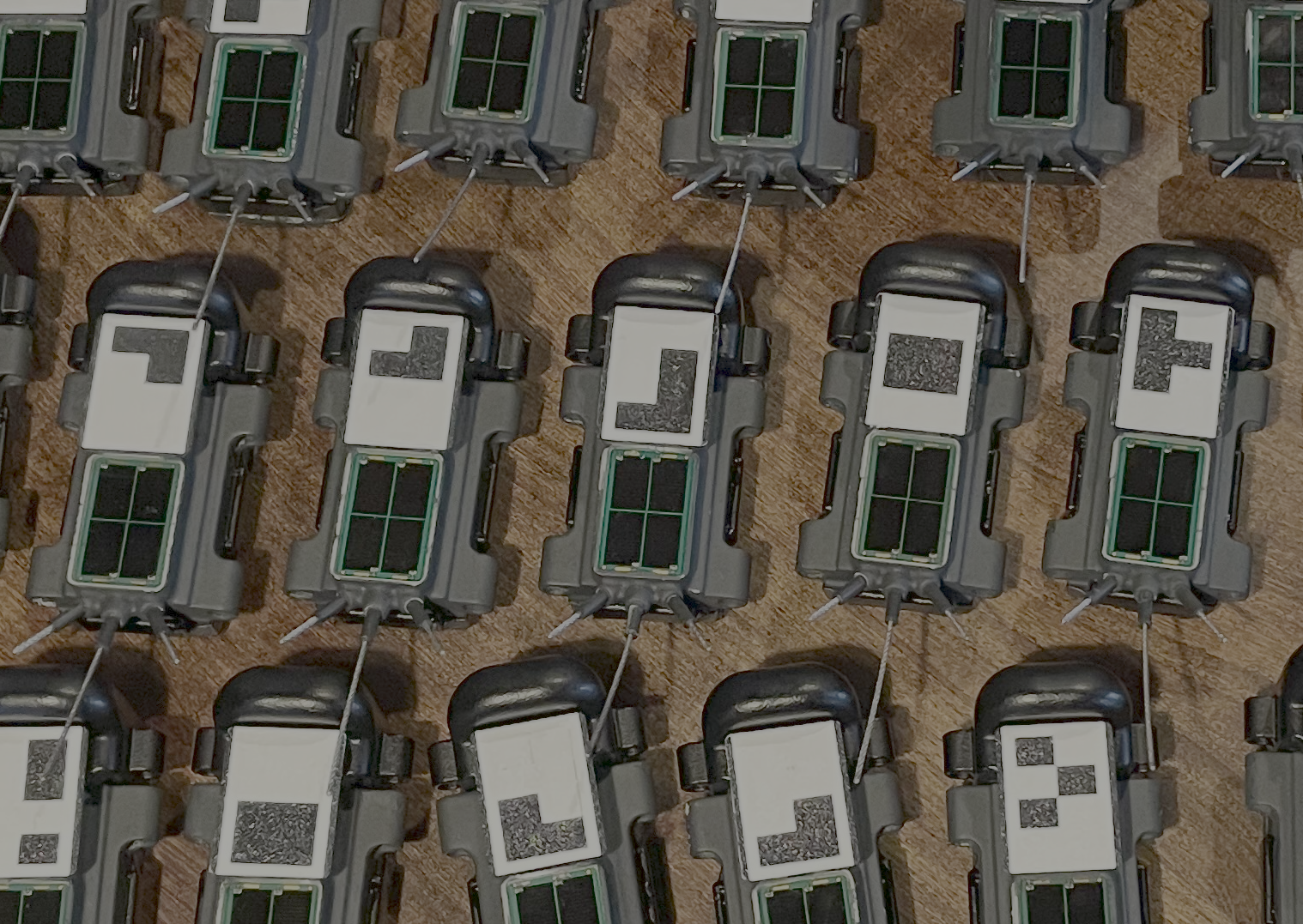
Understanding social movement decisions means measuring not just where an animal goes, but what it is attending to as it decides. Collective biologging is our approach to capturing many individuals at once with on-body sensors — recording movement, body orientation, and, increasingly, gaze — so that the behaviour of an individual can be read alongside the social context that shaped it. By instrumenting whole groups, from soaring birds to pilots in a gaggle, we reconstruct the flow of information through a moving collective in fine detail.